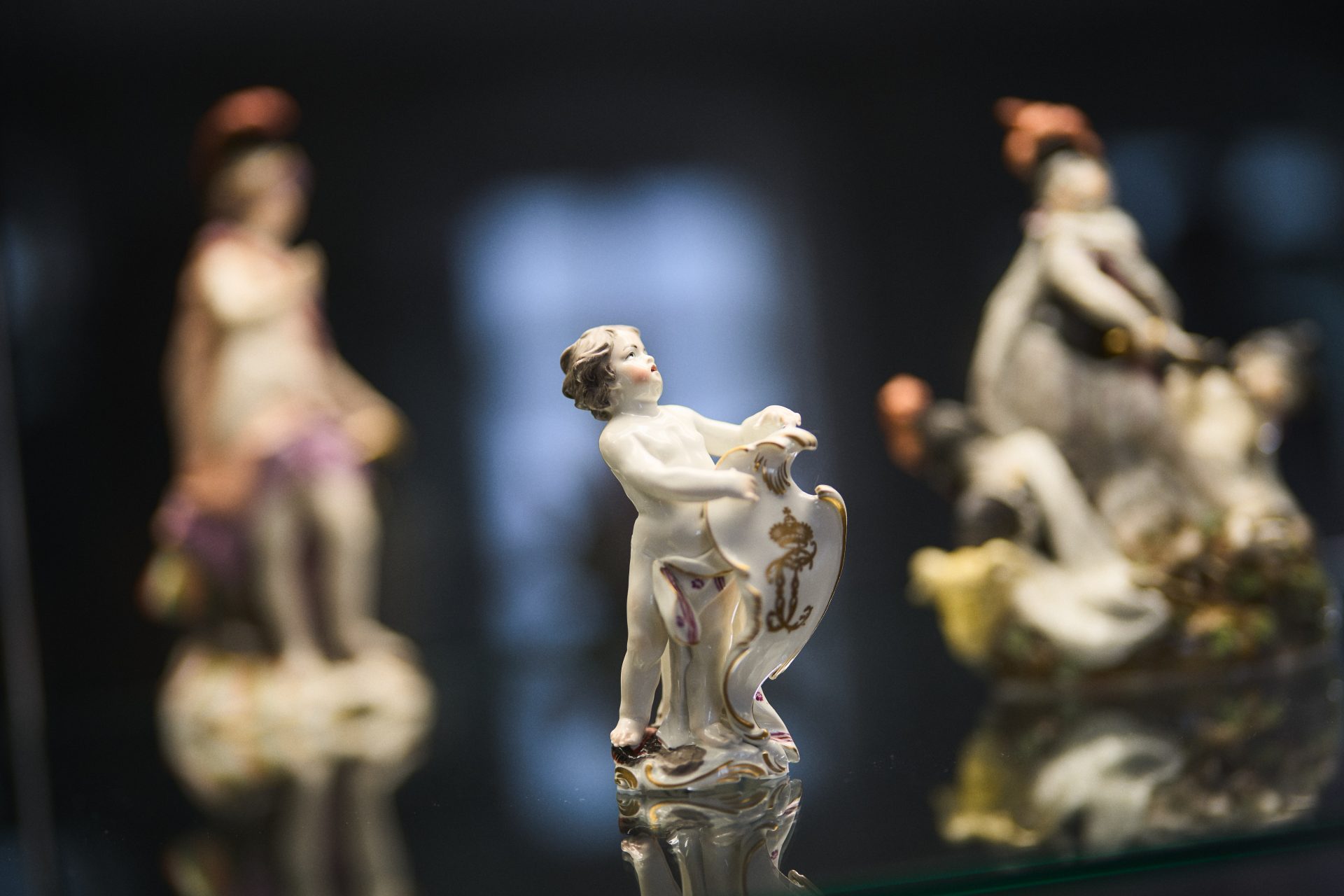
Historical Ceramics from Five Bavarian State Museums
Where else can one find Greek vase painting alongside Egyptian faience, Pakistani blue ceramics next to pre-Columbian animal figures? The trove of treasures from Munich on display here tell the story of ceramics as a universal human cultural language. From Neolithic vessels to masterpieces of Classical Antiquity and Baroque showpieces – each of the five state museums, expertly coordinated by Die Neue Sammlung, brings its specific focus and outstanding works to bear – in Weiden.
State Collections of Antiquities
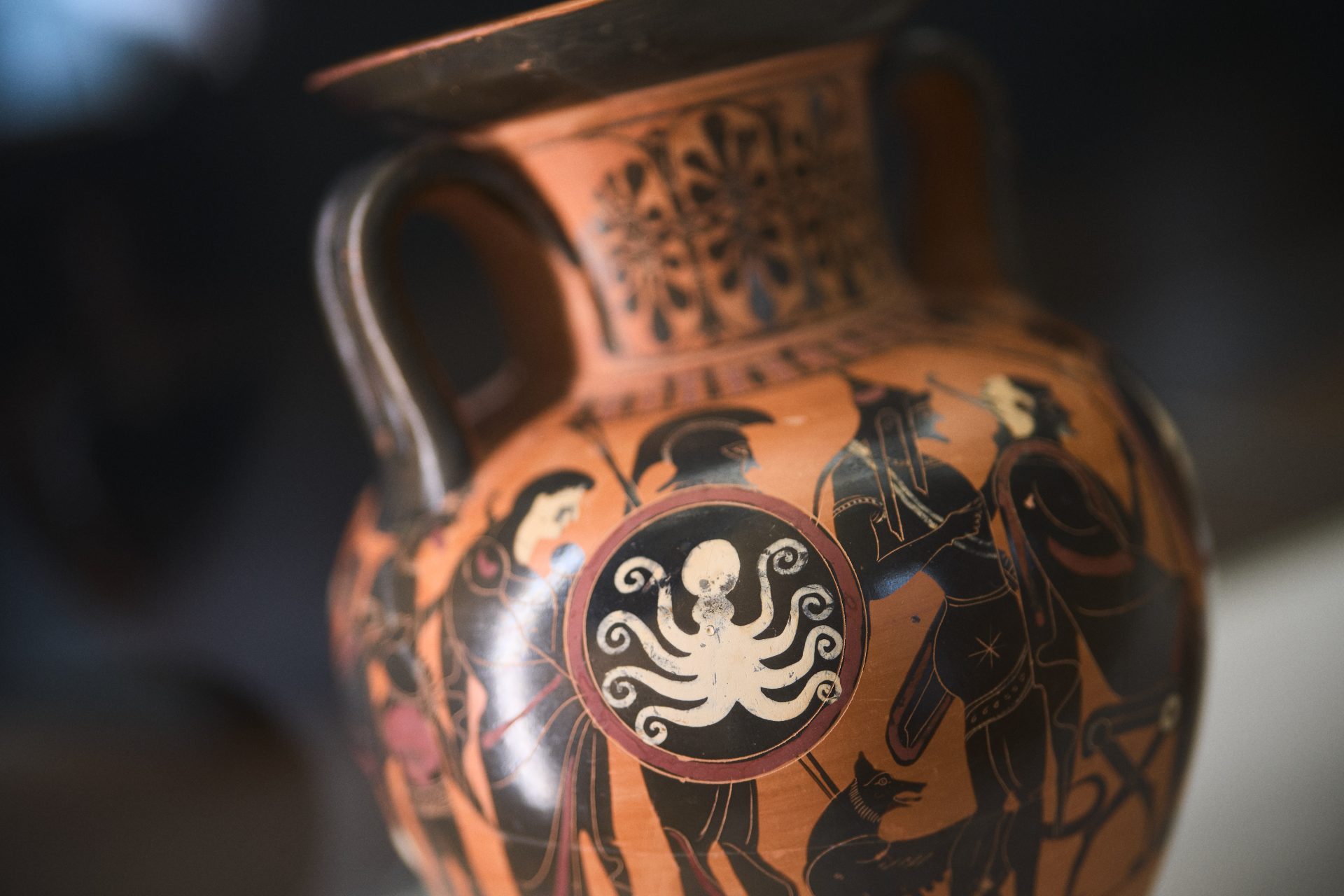
Founded in 1848, the State Collections of Antiquities at Munich’s Königsplatz rank among the world’s most important museums of the art of Classical Antiquity. In Weiden, the museum presents Greek vase art from the 9th to the 3rd century BCE, including masterpieces of black figure and red figure painting. The vessels on display – from archaic Corinthian works to Classical Attic amphorae – stand out for their perfect firing techniques and vivid narrative imagery.
Archaeological State Collection
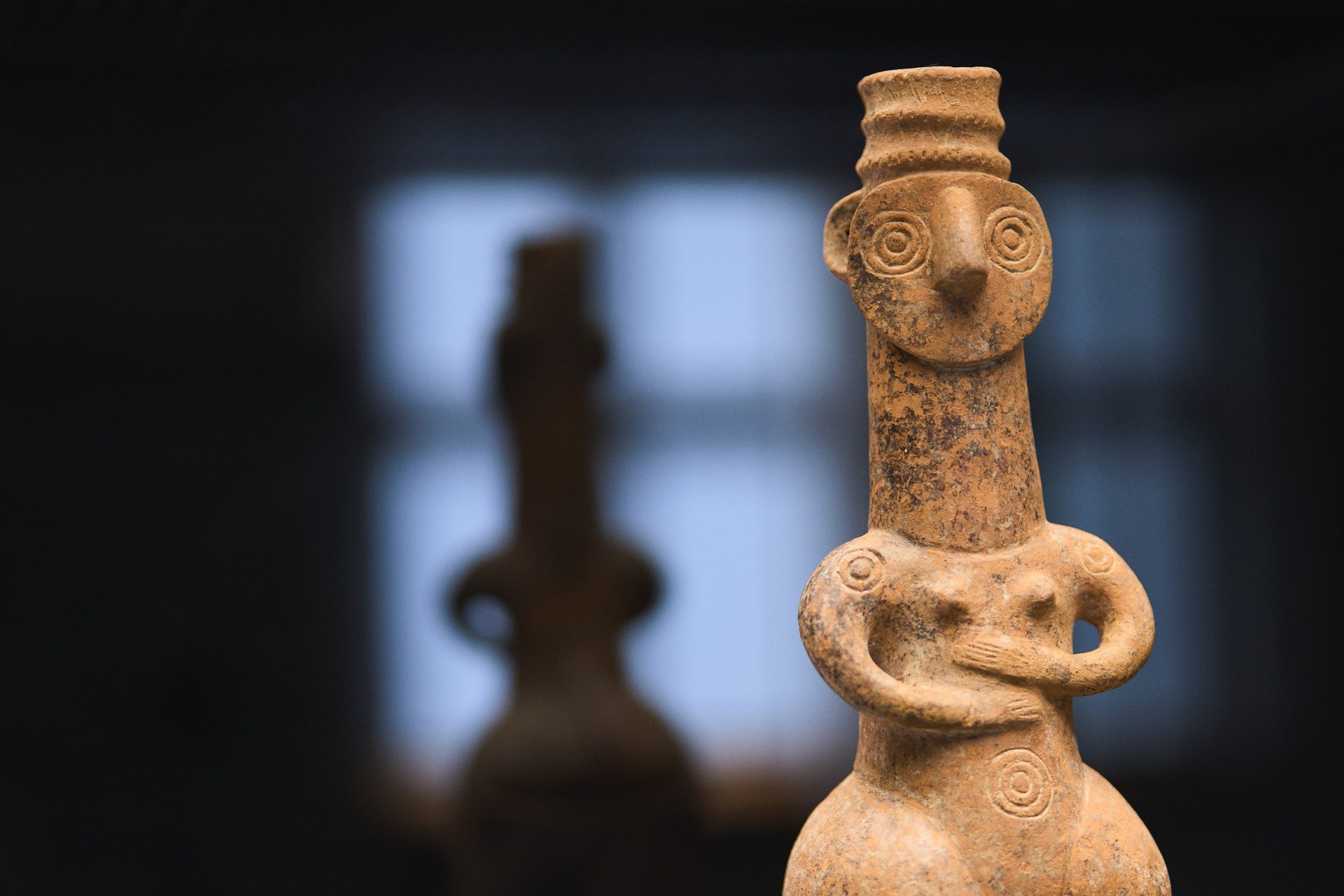
The Archaeological State Collection, Bavaria’s central museum for prehistory and early history, preserves archaeological finds from the Stone Age to the Middle Ages. For Weiden, it has contributed ceramics from Bavarian excavations as well as comparative objects from the Mediterranean and the Middle East. The spectrum ranges from a Neolithic vessel dating to around 6,000 BCE to Medieval ceramics. Particularly striking are early cult figurines, children’s toys made of clay, and Mesopotamian cuneiform tablets, which testify to how clay is a universal medium of human culture.
Museum Fünf Kontinente
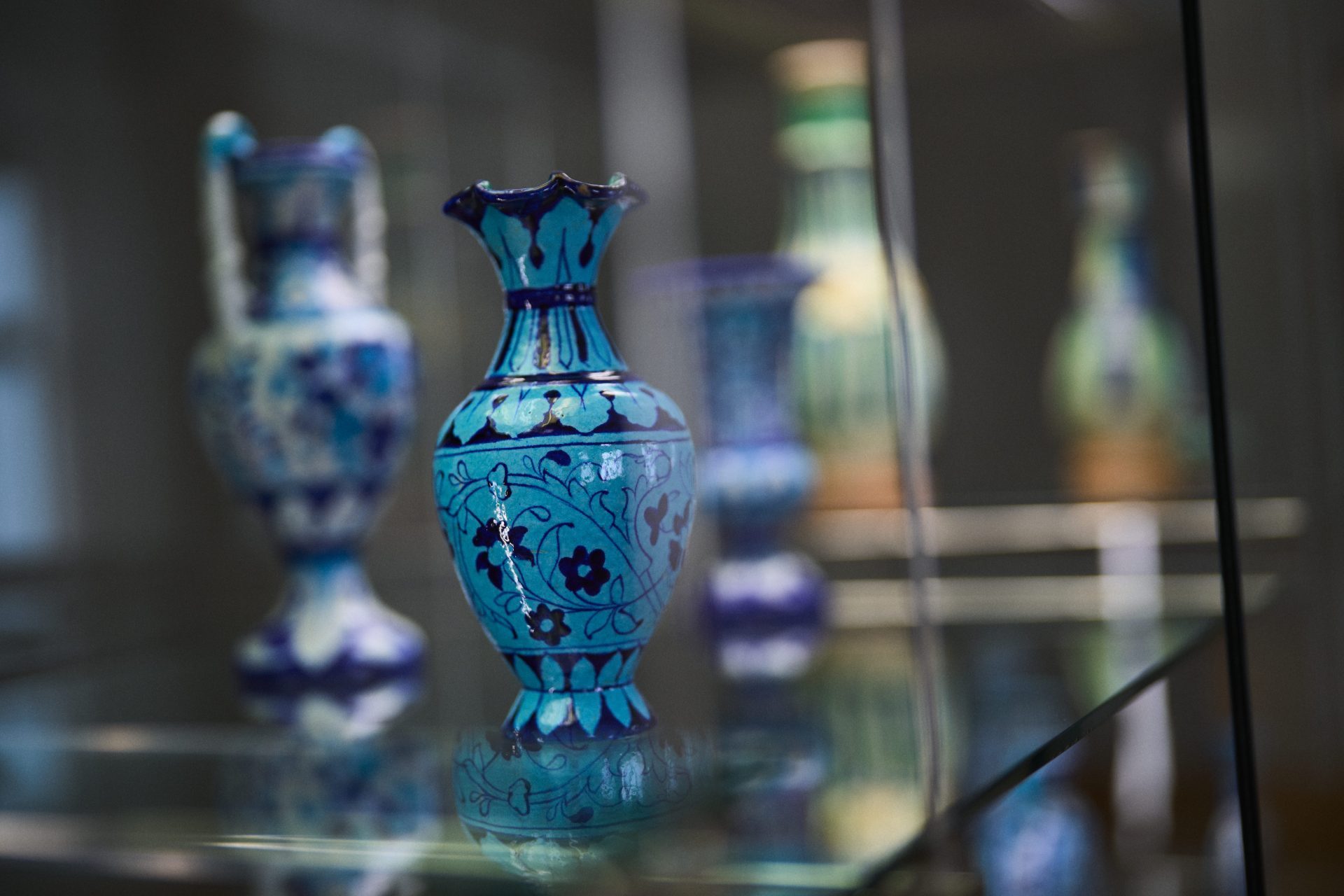
Founded in 1862, the Museum Fünf Kontinente – Germany’s first ethnological museum – is home to major non-European collections. In Weiden it presents the cultural diversity of ceramic traditions: vessels with red painting from the Ban Chiang culture in Thailand, Pakistani vessels in vibrant turquoise and blue from Multan, and pre-Columbian ceramics from Peru. These objects show the many ways cultures worldwide have interpreted clay as a material.
State Museum of Egyptian Art
Opened in 2013 in its new building, the Munich museum is unique worldwide in its focus on Ancient Egyptian art, especially sculpture. In Weiden it showcases ceramics from over 4,000 years of Pharaonic history: from prehistoric vessels with blackened rims to painted vessels of the 18th Dynasty, and Coptic ostraca. The collection highlights the role of ceramics as everyday objects, ritual vessels, and a medium for writing.
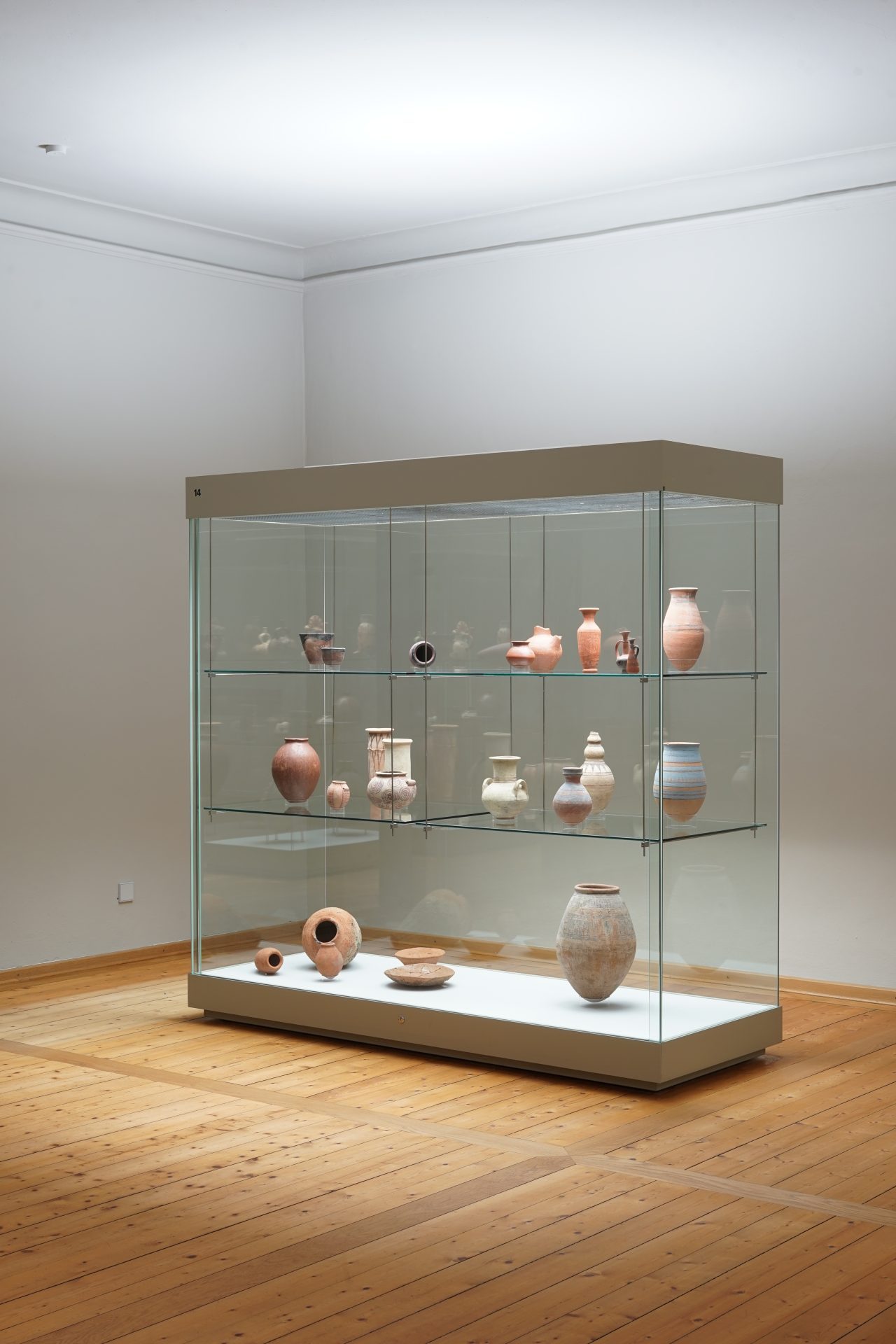
Bayerisches Nationalmuseum
Founded in 1855 by King Maximilian II, Bayerisches Nationalmuseum possesses one of Europe’s largest art and cultural history collections. For Weiden the museum has primarily selected objects that reference the region: faience from Amberg and Sulzbach, Creußen stoneware, traditional pottery, and porcelain from the Frankenthal manufactory.